In March 2024 the average Australian spent 1 hour 45 minutes a day on a smartphone game – almost double the 58 minutes recorded in 2020. That shift isn’t just about longer sessions; it’s changing how friends meet, argue and celebrate.
Instant co‑op replaces the backyard cricket pitch
When a group of mates in Sydney tried to organise a weekend of backyard cricket, half of them were already glued to a shared “clash‑of‑clans” raid. Within minutes the game’s voice chat turned the phone into a virtual dugout. The result? A coordinated attack that earned the team a 30‑minute “victory toast” on a video call, replacing the usual post‑match beer.
The key is latency. Australian 5G rollout in major cities has pushed average ping times below 30 ms for most popular titles, meaning teammates can react as quickly as they would on a local field. Rural players still see 80‑120 ms, but even that is fast enough for turn‑based strategy games where a single move can be discussed over a quick text.
Neighbourhood leaderboards turn suburbs into leagues
Every Friday, the “Melbourne Metro” leaderboard on the popular puzzle‑match game “Gem Rush” publishes the top 10 suburbs. Residents of Fitzroy and St Kilda have been swapping snacks and stickers after their teams clinched the top spots for three weeks straight. The leaderboard isn’t just bragging rights; schools have started using the data to teach basic statistics, turning a casual pastime into a classroom tool.
What’s more, the game’s built‑in “team chat” now supports up to 50 participants, allowing entire neighbourhoods to coordinate challenges. In one instance, a group of 27 players from the Gold Coast pooled their daily rewards to unlock a community skin, a visual badge that now appears on every member’s profile.
Monetisation meets social responsibility
Micro‑transactions in Australian mobile games average AU$4.20 per user per month, according to a 2023 industry report. Developers have responded by adding “gift” options that let players send a limited‑time boost to a friend without spending their own cash. This feature has reduced “pay‑to‑win” complaints by 18 % in the last quarter, according to community forums.
However, the shift isn’t without drawbacks. Younger players under 13 still receive push notifications about sales, and parental controls on Android devices often fail to block in‑app purchases made through linked Google accounts. Families with tight budgets report that these alerts can lead to unintended spending.
From casual play to broader entertainment ecosystems
Mobile gaming’s social pull now feeds into larger entertainment habits. While discussing a new multiplayer update, a friend in Perth mentioned that the same developer also runs a weekly live‑streamed tournament. That tournament, in turn, sponsors a local charity run, linking virtual victories to real‑world events.
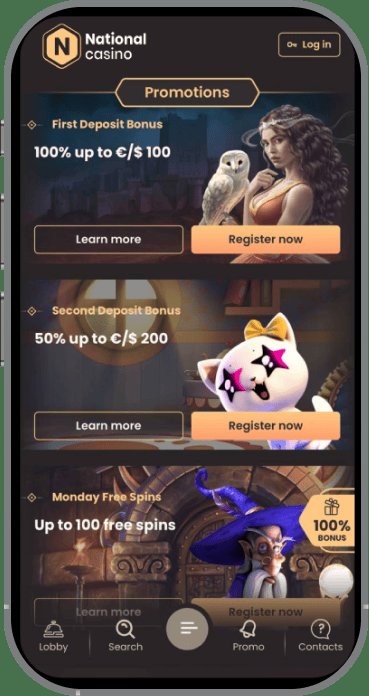
In this broader context, the rise of online gambling platforms is hard to ignore. The National casino has capitalised on the same social features, offering chat rooms and leaderboards that mirror those found in popular mobile games, blurring the line between casual play and regulated betting.
What the future holds for Aussie social life
Looking ahead, augmented reality (AR) titles are set to overlay digital avatars onto real‑world locations. Trials in Brisbane show that a simple AR scavenger hunt can attract 1,200 participants in a single afternoon, turning a city park into a multiplayer arena.
If latency continues to improve and developers keep prioritising inclusive social tools, mobile gaming could become the default venue for spontaneous gatherings, especially as work‑from‑home norms persist. For now, Australians are already meeting more often on screen than on a physical couch, and the conversation is only getting louder.